Decarbonization and Carbon Neutrality Plan

Plan of Decarbonisation

We design a roadmap that will enable your organization to reduce its greenhouse gas emissions, meet its climate commitments, and move toward carbon neutrality. Our approach combines technical analysis, strategy, and guidance to turn goals into concrete actions.

Request expert advice

Name*
Surnames*
Corporate email*
Phone*
Identity card
Country*
Organization*
RUC
Sector*
Position*
How did you hear about us? *

Why develop a
Decarbonization Plan?

More and more organizations are making commitments to reduce their emissions and achieve carbon neutrality. However, many still lack a clear roadmap that would allow them to prioritize actions, allocate resources, monitor progress, and turn those commitments into measurable results. A Decarbonization Plan enables organizations to plan that transition strategically and in alignment with business objectives.


Benefits:

  • Reduce emissions in a planned and measurable way.
  • Optimize investments through prioritized actions.
  • Strengthen the business's resilience and competitiveness.
  • Prepare for new regulatory and market requirements.
  • Move forward with a roadmap toward carbon neutrality.

How does Libélula help?

Technical Support
Work with Libélula's specialists to solve complex challenges through technical assistance, targeted research, benchmarks, and technical meetings.

Capacity Building
Develop knowledge and skills through workshops, training sessions, and practical tools that strengthen management and decision-making.

Business Community
Learn alongside organizations facing similar challenges through opportunities for knowledge sharing, real-world case studies, and networking that accelerate the implementation of sustainability initiatives.

64

Water Footprints
completed

+9

sectors
served

29

Organizations
accompanied

This Is How We Develop a Decarbonization Plan

Diagnosis and Scope

We assess the organization's climate maturity and establish its emissions baseline.

Benchmarks and Trends

We analyze industry trends, international commitments, and best practices to identify opportunities.

Mitigation Strategy

We define emissions scenarios, reduction targets, and a prioritized portfolio of projects.

Monitoring System

We design indicators and tools to measure progress and facilitate decision-making.

Capacity Building

We assist the organization through training, communication, and technical support to ensure the plan is implemented.

Frequently Asked Questions About the Decarbonization Plan's Metrics

A Decarbonization Plan is a roadmap that enables an organization to progressively reduce its greenhouse gas (GHG) emissions. It defines goals, prioritizes mitigation actions, establishes monitoring indicators, and guides the transition to carbon neutrality in alignment with the business strategy.

Any organization that has measured its carbon footprint or has commitments related to sustainability, decarbonization, or carbon neutrality can benefit from a Decarbonization Plan. It is especially useful for companies seeking to reduce emissions, respond to new market demands, or strengthen their competitiveness.

The Carbon Footprint provides insight into how many emissions an organization generates. The Decarbonization Plan uses that information to determine how to reduce those emissions through a roadmap that includes goals, actions, responsible parties, and monitoring indicators. In other words, the Carbon Footprint shows the starting point, and the Decarbonization Plan defines the path forward.

Information is generally required on carbon footprint, energy and fuel consumption, operational processes, growth projections, planned investments, and other variables related to emissions. Our team works with the organization throughout the entire process of collecting and analyzing this information.

The time required will depend on the size and complexity of the organization, as well as the availability of information. Generally speaking, developing the plan can take anywhere from a few weeks to a few months, depending on the defined scope.

Targets are set based on an analysis of the emissions baseline, identified reduction opportunities, the organization’s operating conditions, and industry trends. The goal is to define commitments that are technically feasible and aligned with the business strategy.

The plan includes indicators and monitoring tools that make it possible to track the implementation of actions, assess progress toward reduction targets, and facilitate decision-making to make adjustments when necessary.

A Decarbonization Plan makes it possible to prioritize investments, reduce emissions in a planned manner, identify efficiency opportunities, strengthen business resilience, and respond more effectively to the expectations of customers, investors, and regulators. It also makes it easier to track progress toward carbon neutrality goals.
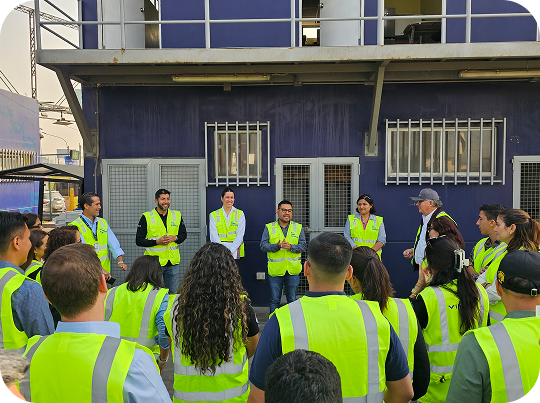
Turn Your Climate Commitments Into a Roadmap for Action

Discover how a Decarbonization Plan can help your organization reduce emissions, strengthen its competitiveness, and move toward carbon neutrality.