[Opinion] Reversing the climate crisis from the business perspective
By: Pia Zevallos - Libélula's General Manager
In the last month, climate has topped the list of priorities and concerns of Peruvian society, especially in the north of the country. In this context, it is important to remember that companies are created with the purpose of meeting the demands of society, and at a time when, according to the latest IPCC (Intergovernmental Panel on Climate Change) report, more than 3.6 billion people in the world are highly vulnerable to climate change, there is an urgent need to reverse this crisis.
How can companies respond to this challenge and generate sustainable business opportunities?
According to the IPCC, a global reduction in greenhouse gas emissions of at least 45% from 2010 levels is required by 2030 and net zero emissions by mid-century. This will limit the global temperature increase to 1.5°C, thereby avoiding major crises.
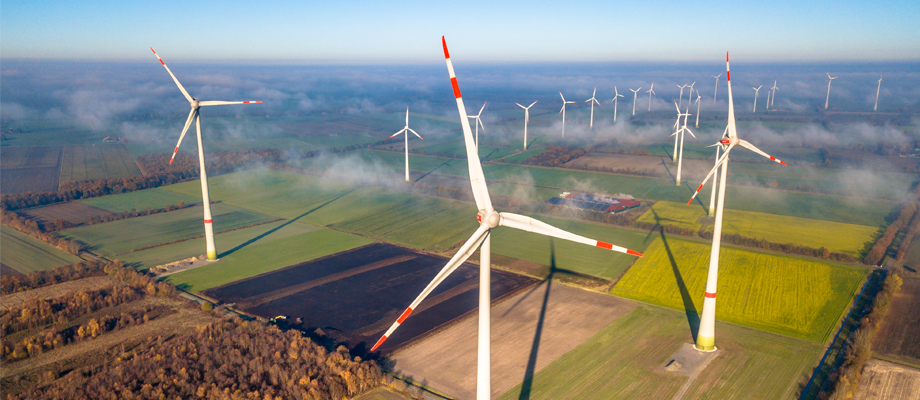
The increase in renewable energy projects, such as wind and solar, whose investment amount has dropped to 85% in the last decade, allows for more cost-effective and sustainable operations. The use of clean energy in vehicles and industrial equipment can reduce consumption by up to 30% and reduce emissions by up to 50%.
By the same token, investing in sustainable agricultural and forestry practices that enable climate change mitigation and adaptation, such as agroforestry and reforestation, improves the resilience of food and forestry systems. The cost varies from region to region, but it has been estimated that the global investment required could range from US$200 to US$300 billion per year.
The study The Global Tree Restoration Potential, concluded that the restoration of degraded forests and lands could provide a reduction of up to 20% of global emissions. An important investment opportunity to highlight is the creation of a carbon credit accelerator to encourage the development of this type of project, opening employment opportunities and working with communities for the proper conservation of ecosystems. In 2021 the demand for carbon credits from the agriculture and forestry sector represented a total of 227.7 MtCO2eq, and is expected to increase, given that in the last seven years it has grown at a rate of 24.9% annually, according to Ecosystem Market Place.
Investing in climate technologies and solutions that generate a just transition to a low-carbon economy will enable companies to improve the resilience of their investments to the impacts of climate change while creating sustainable economic opportunities.
← Previous
Next →
Stay up to date
Receive a summary of the most relevant news about companies and sustainability. Every month, free of charge!