Responsible Consumption: Environmental and social impact should be key factors when making choices
 hace 8 year
Today, March 15, we celebrate World Responsible Consumption Day. On this date we promote and encourage the responsible consumption of products and resources, considering their impact on the environment, health and the community.
According to the United Nations, in the next 20 years, there will be more middle class people in the world. This is positive for individual growth and prosperity, but the other side of the coin is that it will increase the demand for natural resources, which are already limited. If we do not act to change our consumption and production patterns, we will cause irreversible damage to the environment.
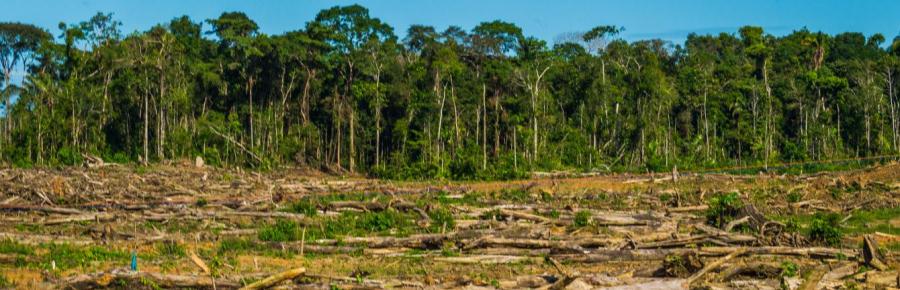
Overconsumption leads to overexploitation of soil, water, air and other resources, thus generating the depletion of natural resources. Certain production models do not take environmental care into account when it comes to reducing production costs.
Responsible consumption is one of the 17 Sustainable Development Goals adopted by world leaders and the UN to eradicate poverty, protect the planet and ensure prosperity for all. These goals are part of the sustainable development agenda. Each goal has specific targets to be achieved by 2030.
Responsible consumption means choosing products and services based on their environmental and social impact, not only on quality and price, but also on the conduct of the companies and service providers. It is necessary to consider the consequences of the elaboration of the product and its acquisition at the moment prior to purchase. Let us encourage conscious consumption and evaluate the effects of our actions on the environment.
Sustainability is already becoming part of our lives. Global trends are affecting the lives of people, ecosystems and biodiversity, economies, cities, businesses and governments.
Learn about some of the consumer trends that we were able to compile during the third installment of nexos+1 in October last year:
- 66% of consumers worldwide say they prefer to buy products and services from socially and environmentally responsible companies.
- In 2016, there were an estimated 1321.4 billion digital shoppers in the world. That's nearly 18% of the world's population.
- 9 out of 10 aspirational consumers believe that less consumption is needed to preserve the environment for future generations.
- In Peru, 62% of the Economically Active Population (EAP) prefers to work in socially and environmentally responsible companies.
- Millennials are clear about responsible consumption with environmental and gender priorities.
Sources: United Nations, Inter-American Development Bank, MINAM,

← Previous
Next →