Experts to measure climate impact on cities
 hace 8 year
According to UN Environment, cities are responsible for about 75% of global CO2 emissions, mainly from transport and buildings. In addition to being the source of emissions that cause climate change, cities suffer from its impacts.
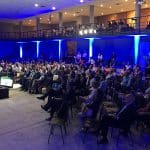
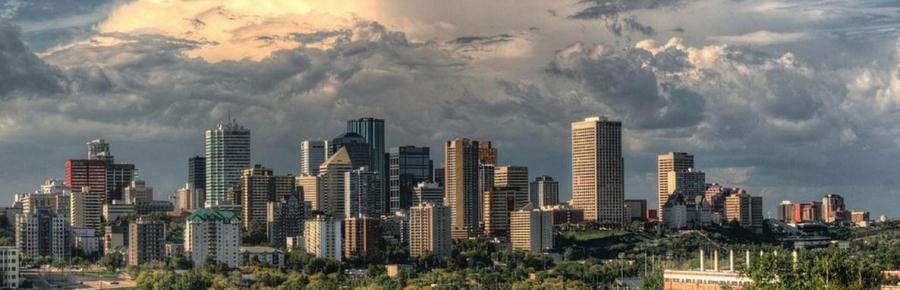
The week of March 4-9, a group of experts gathered at the IPCC Climate Change Science and Cities Conference in Edmonton, Canada, set out a global plan to better understand climate change, its impacts on cities and the role of local authorities in meeting this challenge.
«The impacts of climate change are already being felt in our urban areas. The next few years are critical to determine how effectively we meet the challenge of protecting our cities (...). This research will not only help save our cities, but will also improve them for future generations.« said Seth Schultz, director of Science and Innovation for the C40 Cities Climate Leadership Group.
The conference focused on the Paris Agreement, the Sustainable Development Goals of the UN, the New Urban Agenda and the Sendai Framework for Disaster Risk Reduction, The cities are required by all these instruments to implement sustainable development plans for better adaptation and response to climate change.
The knowledge gained from the sessions will help chart a course forward to determine current and future emissions sources, urban climate impacts, and pathways for cities to pursue emissions reduction and resilience strategies.
Cities play a central role in global efforts to scale up climate action
UN Climate Change promotes greater climate ambition on the part of cities and greater investment in planning for sustainable, low-carbon and resilient urban development.
Recently, the «Cities and Regions Talanoa Dialogues«as an opportunity to advance the governance of climate action, specifically in urban areas. The plan aims to ensure coordinated action at all levels of government, and is promoted by ICLEI - Local Governments for Sustainability, the Global Covenant of Mayors for Climate and Energy and UN-Habitat.
This initiative falls within the framework of the Talanoa Dialogue launched by the Presidency of the United Nations climate change conference, COP23, in Bonn last year, is an important international conversation in which countries will check progress and seek to increase global ambition to meet the goals of the Paris Agreement.
This Wednesday you can learn more about the Tanaloa Dialogue in an online information session organized by the LEDS LAC platform. More information here.
Source: UNFCCC

← Previous
Next →