Climate change and its impact on our flagship dish
 hace 8 year
Today is the national day of cebiche, one of the flagship dishes of Peruvian cuisine that combines the biodiversity of the sea with the richness of the land.
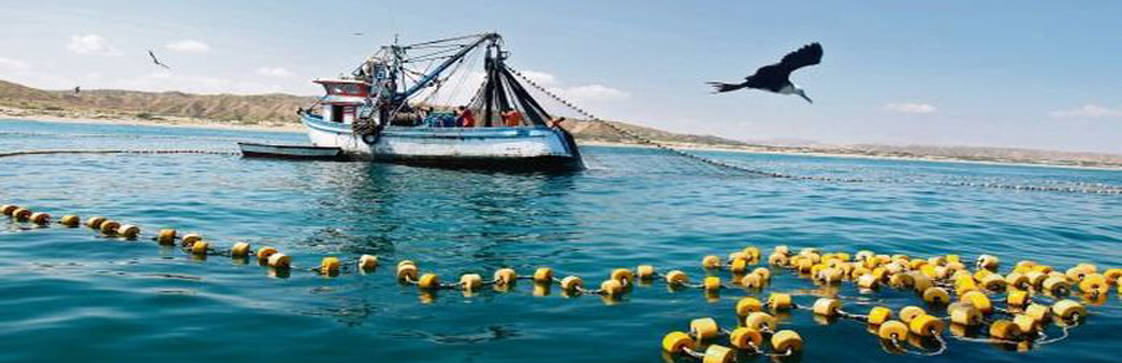
Cebiche is usually prepared with fish such as sole, cheetah or sea bass, but mass consumption and climate change have made it increasingly difficult to catch, although its consumption continues to increase. In Lima alone, 40.5 million plates of cebiche are consumed per month, that is, a per capita consumption of 4 plates per month.
In the last 10 years there have been more changes in marine conditions than in the previous 50 years due to global warming. Sea warming, acidification and lack of oxygen are exterminating our marine fauna. The areas most affected by warming seas are the bays because of their shallow depth and slow circulation. Here oxygen escapes faster from the water and is consumed at a faster rate by the respiration of aquatic organisms. The lack of oxygen in the seas is known as marine hypoxia, and is the main reason for the massive mortality of marine species, such as sole, crabs, eels, fan shells and other species.
According to Yuri Hooker, a Peruvian biologist, one of the ways to mitigate the effects of global warming is to reduce the use of fossil fuels. «We can save electrical energy at home, use less cars, less plastic. But if we take this to industry, it releases enormous amounts of energy into the environment and produces greenhouse gases.” The answer lies in renewable energies, but these do not suit the oil industry. «We are a greedy and unconscious species. The oil business is so lucrative that it doesn't matter what happens to the planet. Meanwhile climate change is a dramatic fact and it is increasing very fast.».
We invite you to be more conscious when it comes to consumption, to strive to reduce our CO2 emissions and to respect the closed seasons so that we can continue to enjoy the delicious cebiche for many more years to come.

← Previous
Next →